In the advancement towards intelligent and refined mining production, "data speed and precision" have become key determinants of efficiency and profitability. Recently, DFMC's XRF Elemental Analyzer was deployed in the fully automated process project at Baoshan Nonferrous Metals Mining's concentrator in Hunan. It addresses the shortcomings of traditional testing methods, such as scattered sampling points, lengthy cycles, and difficulty in meeting the precise control demands of intelligent production. With its real-time, high-precision online analysis capabilities, the analyzer significantly shortens the ore slurry grade detection cycle, provides robust data support for production control, and drives simultaneous improvements in resource recovery efficiency and enterprise competitiveness.
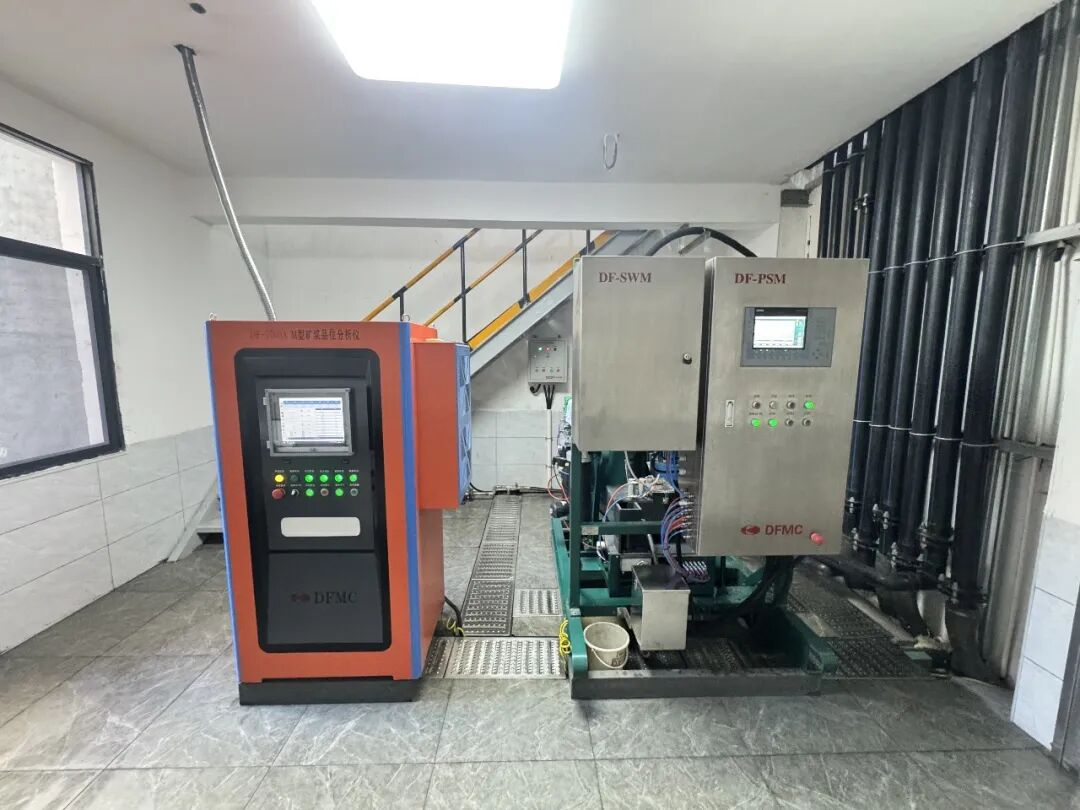
XRF Elemental Analyzer (left)
As a core detection and analysis equipment, this analyzer adopts a multi-channel design, incorporates an SDD detector with high resolution and high counting rate, and uses an X-ray tube as the excitation source. It features high detection sensitivity and fast response speed, delivering test results in just 1 minute. Meanwhile, the optimized measurement structure effectively improves the mixing uniformity of the ore slurry, ensuring more stable and reliable detection results. This provides solid assurance for continuous detection and analysis under complex working conditions.
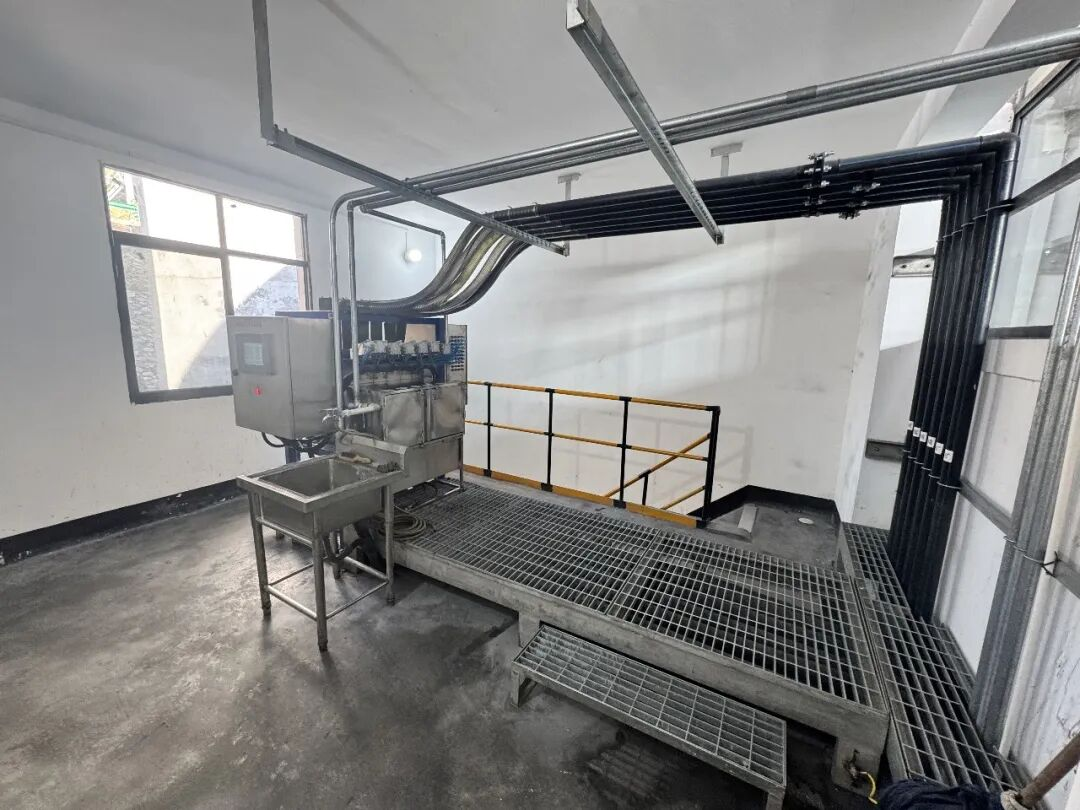
Multiplexer
At Baoshan Nonferrous Metals Mining's concentrator in Hunan, this analyzer has become a crucial control device for managing complex operational conditions on-site. By rapidly and accurately detecting and analyzing ore slurry grade, it significantly reduces the previously lengthy sample analysis time. This enables the production process to respond flexibly based on real-time data, effectively driving improvements in resource recovery rates.
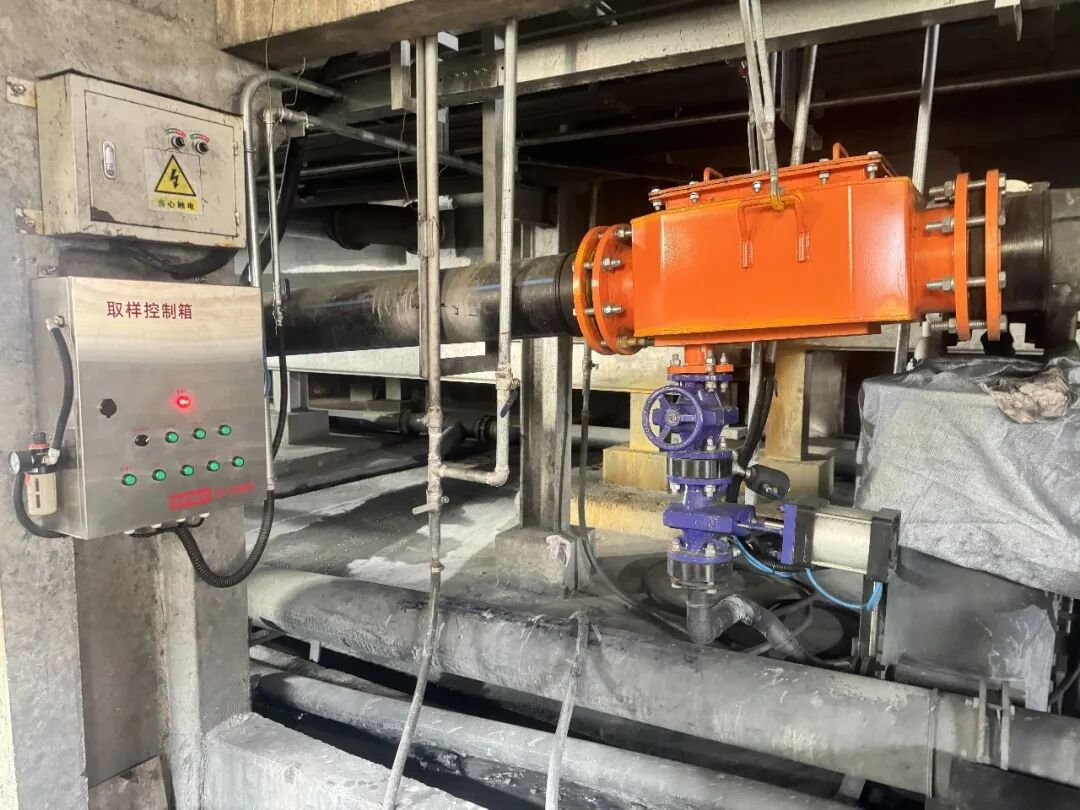
Sampling system
To ensure the long-term stable operation of the system, the plant conducted a three-month specialized evaluation focused on analysis accuracy and operational availability prior to the equipment’s deployment. In the detection of key elements such as lead and zinc, the equipment achieved stable output at process points including raw ore, concentrate, and tailings, with comparative errors fully meeting the specified requirements. The overall system operational availability exceeded 98%. Even under complex conditions such as fluctuations in ore properties and maintenance shutdowns, the equipment demonstrated strong adaptability.